In the digital landscape of modern healthcare, cyber criminals lurk in the shadows, waiting to strike at the heart of our most vital services. As someone who leads the fight against these threats from within NHS England's Cyber Security Operations Centre (CSOC), I've seen first-hand how cyber threats have evolved – and why every single person working in the NHS has become both a potential target and our greatest defence.

Understanding the threat landscape
The reality is that cyber criminals view the NHS as a particularly attractive target. We hold vast amounts of sensitive data and operate services so critical that any disruption can have real impacts on people’s health and wellbeing.
The methods that cyber criminals use to infiltrate our systems have become increasingly sophisticated. Gone are the days when poorly written emails promising untold riches were the main concern. Today's attackers employ razor-sharp social engineering techniques, targeting everything from internet-facing systems to manipulating staff at IT helpdesks.
Some of last year's highest-profile attacks, including those at M&S and Jaguar Land Rover, reportedly succeeded through attackers exploiting weaknesses in organisational defences and human factors. These techniques are not always high-tech, but they can be exceptionally effective and have a massive impact on victims.
The human element: Our greatest asset
No-one is better equipped to spot suspicious or unusual things in their environment than people who work in it every day.
In cyber security we often hear that 'the human factor is cyber security's weakest link', but that view overlooks the truth. As technical defences continue to mature, our adversaries are increasingly turning to human-targeted methods, but that doesn’t mean humans are the weakness: they're one of our strongest assets in preventing and responding to threats.
Who better to notice when something's not quite right than the person who deals with that environment day in, day out? When your boss calls asking you to do something unusual, or when a supplier suddenly wants to change bank details at the last minute, your instinct is often your best defence.
The key is thinking critically about every interaction:
Never copy and paste commands from a website's 'CAPTCHA' – legitimate websites will not ask you to do this.
Be cautious about where you download applications - attackers can manipulate search results to advertise malware instead of legitimate software, even on Google.
If you think you've fallen victim to a scam, don't panic. Remember, security is a team sport and we’re all on the same side. Even the most vigilant can fall for sophisticated social engineering.
Intelligence: The strategic advantage
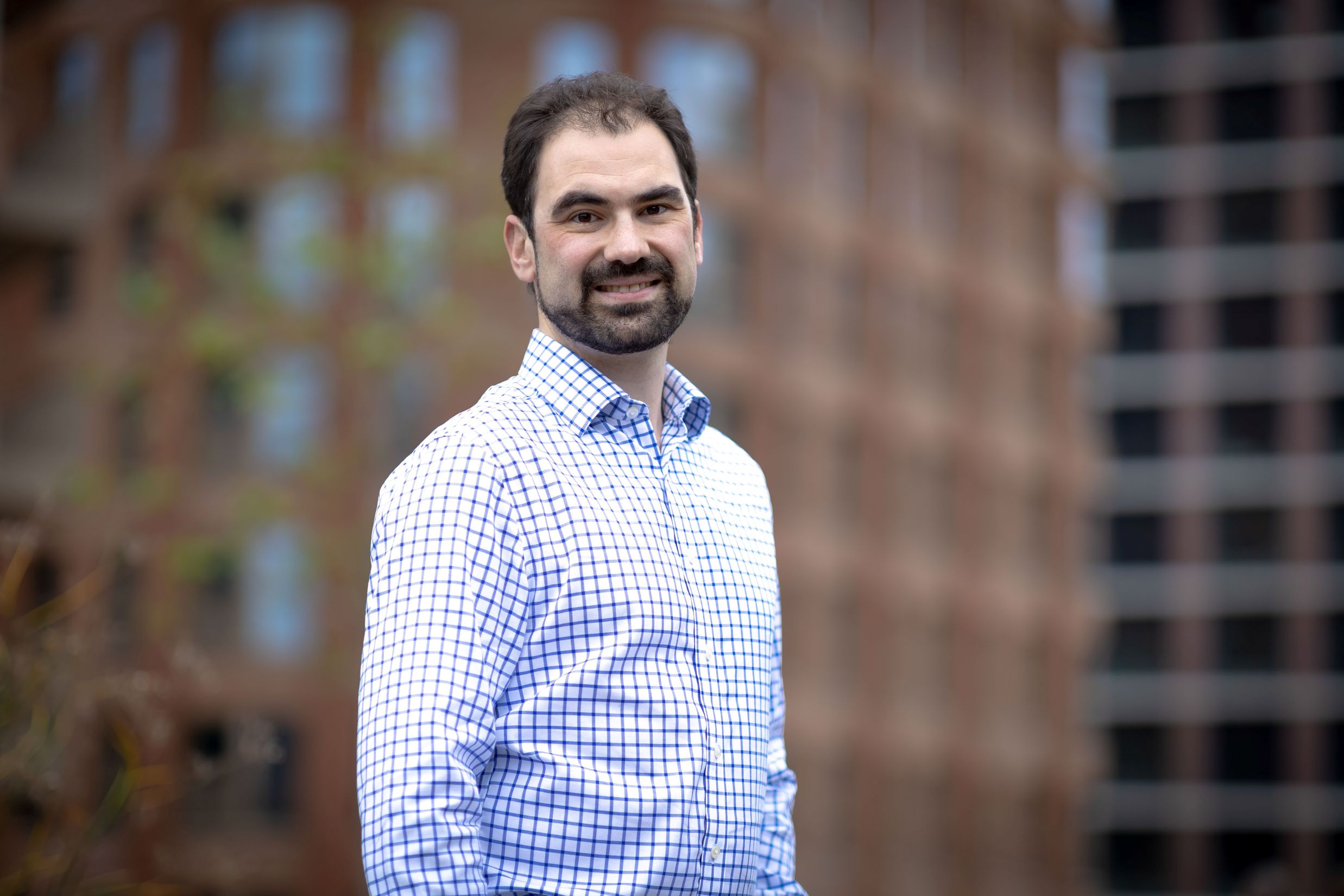
I lead the Threat Intelligence Team in NHS England’s central Cyber Security Operations Centre (CSOC to our friends).
Our role is to provide the right intelligence, at the right time, to the right people - from executives needing strategic insight, to teams needing technical indicators of malicious activity - so they can make informed decisions about their cyber security, ultimately to protect patients and healthcare services.
We deliver this intelligence to teams across NHS England and other organisations across the health and social care system. Without a good view of what attackers are doing, you run the risk of missing real threats or trying to protect against everything, which wastes time and money.
We pinpoint the risks that are most likely to affect an organisation and give practical guidance to help make the biggest difference. I support a team of dedicated intelligence analysts to deliver this work.
This intelligence sharing across the health system creates a multiplier effect. When one organisation spots a new threat, that knowledge can protect countless others. It's like having an early warning system that grows stronger with every participant.
Supporting the NHS transformation
This cyber resilience work is fundamental to delivering the ambitious vision set out in the NHS's 10-Year Health Plan. As the health service transforms from analogue to digital, embracing AI, genomics and data-driven care, robust cyber security becomes not just important but essential. We're building the digital infrastructure that will power precision medicine and preventative healthcare for generations to come – and that infrastructure must be unshakeable.
The NHS's journey towards becoming the world's most AI-enabled healthcare system depends on our ability to keep patient data secure and systems resilient. Every successful cyber defence today helps build the foundation for tomorrow's revolutionary healthcare technologies.
Find out more about the variety of central threat intelligence services designed for health and social care organisations.



Author

Latest blogs

Last edited: 2 September 2026 12:45 pm